Badrinath Travel Guide: Where Faith Meets the Himalayas
Plan a meaningful journey to Badrinath with this complete guide covering the temple, road route, best time, Mana Village, nearby attractions and travel tips.
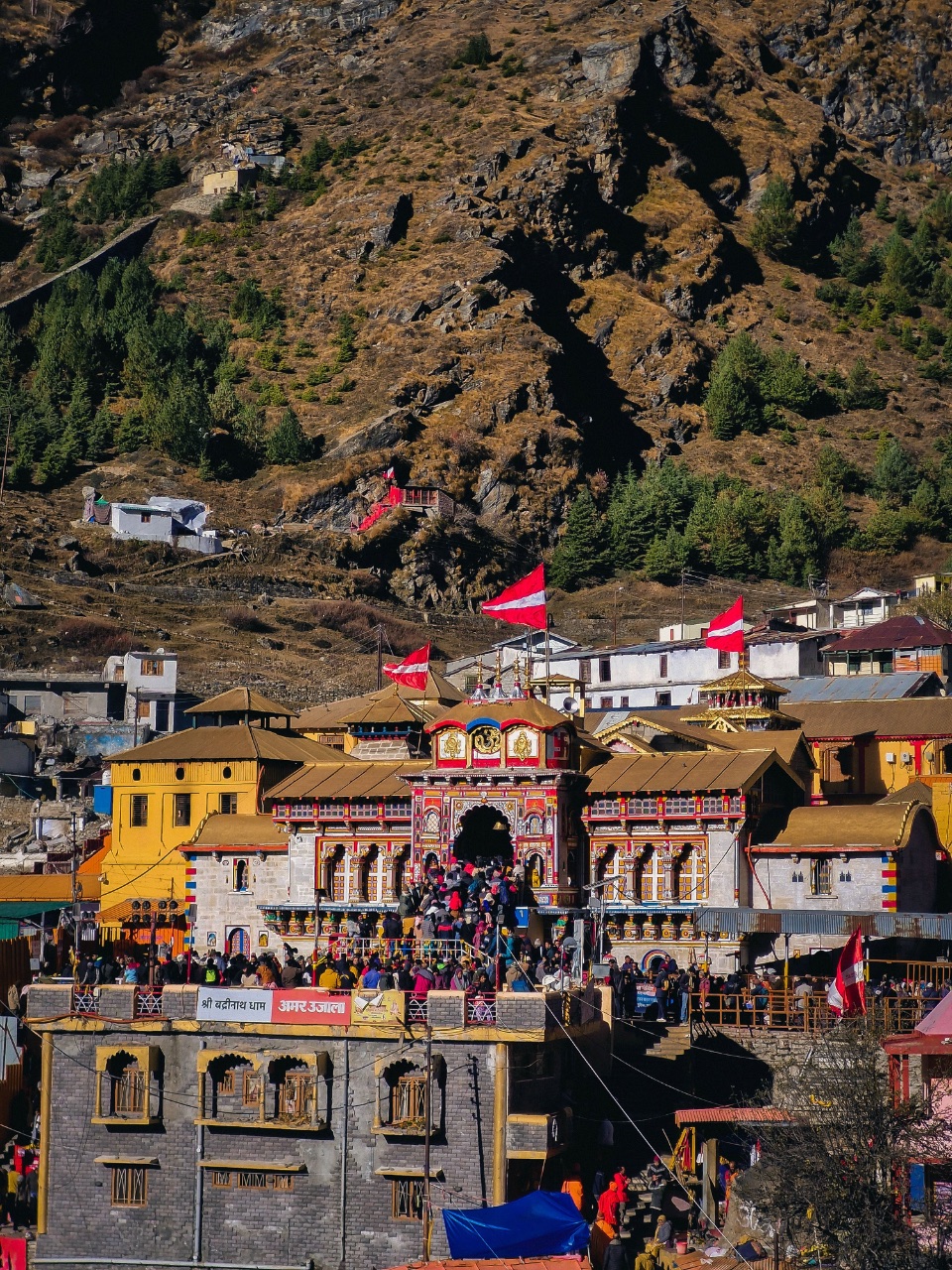
Some journeys begin when you leave home. The journey to Badrinath begins much earlier—perhaps with a prayer heard in childhood, a photograph of the colourful temple, or a quiet wish to stand somewhere the mountains feel closer to the divine.
The road follows the Alaknanda through deep valleys, sacred confluences and towns resting along impossible-looking slopes. Beyond Joshimath, the air grows colder and the landscape becomes more dramatic. Then, almost suddenly, Badrinath appears—a small Himalayan settlement gathered around an ancient shrine.
At approximately 3,133 metres above sea level, Badrinath is not merely a destination on a map. It is a place where faith, mythology, nature and human endurance have travelled together for centuries.
This Badrinath travel guide will help you plan that journey thoughtfully—from the best time to visit and the road route to temple guidance, nearby places and a comfortable three-day itinerary.
Place Overview
Badrinath lies in Uttarakhand’s Chamoli district, on the banks of the Alaknanda River. The town is home to Shri Badrinath Temple, dedicated to Lord Vishnu in the form of Badri Narayan.
The shrine is part of Uttarakhand’s Char Dham Yatra and is also associated with the larger Char Dham tradition of India. Its colourful façade, known as the Singhdwar, stands in striking contrast to the rugged mountains surrounding it.
According to the Shri Badrinath Kedarnath Temple Committee, the temple complex includes the Garbha Griha, Darshan Mandap and Sabha Mandap. Inside the sanctum is the black-stone image of Lord Badri Narayan seated in a meditative posture.
Because of heavy winter snowfall, the temple remains accessible only during the annual pilgrimage season, generally from April or May until November. Opening and closing dates are announced separately each year, so travellers should confirm them before making bookings.
Why This Place Is Special
Badrinath carries a silence that exists even when the temple courtyard is crowded.
The sound of bells drifts across the Alaknanda. Steam rises from Tapt Kund while cold Himalayan wind passes through the valley. Devotees wait for darshan, shopkeepers prepare tea, and the colourful temple stands beneath mountains that seem untouched by time.
According to local tradition, Lord Vishnu meditated here while Goddess Lakshmi took the form of a badri tree to shelter him from the harsh weather. The name Badrinath is believed to have emerged from this sacred story.
For pilgrims, the journey is an expression of faith. For travellers, it offers an intimate experience of Himalayan geography, culture and resilience. For many people, it quietly becomes both.
Badrinath does not ask every visitor to arrive for the same reason. It simply gives each one enough space to find their own.
How To Reach
By Train:
Rishikesh is listed as the nearest railway station, approximately 295 kilometres from Badrinath. Haridwar is another useful railhead because it has wider train connectivity.
From either station, the remaining journey must be completed by road.
By Air:
Jolly Grant Airport near Dehradun is the nearest airport, approximately 314 kilometres away. Taxis are available from the airport, but most travellers should keep at least one full day for the mountain journey.
Best Time To Visit
May to June
This is one of the most popular periods for the Badrinath Yatra. The weather is comparatively comfortable, surrounding roads are generally accessible and the pilgrimage season is fully active.
It is also a busy period, so accommodation and transport should be booked in advance.
July to mid-September
The monsoon turns the mountains beautifully green, but it also increases the possibility of landslides, falling stones, road closures and long delays.
The Temple Committee specifically advises travellers to check the condition of the Rishikesh–Badrinath route before beginning a monsoon journey.
Late September to October
This is often the most rewarding period for clear mountain views, quieter surroundings and crisp autumn weather. Nights become considerably colder, so proper winter layers are necessary.
November to April
The temple closes for winter because of heavy snowfall and severe weather. Exact closing and reopening dates vary every year.
Pahad Calling recommendation: Choose late May to June for a traditional pilgrimage atmosphere, or late September to October for clearer views and a quieter journey.
Things To Do
- Visit Shri Badrinath Temple
- Spend time observing the temple beyond the brief moment of darshan. Its colourful entrance, carved interiors, surrounding peaks and the sound of the Alaknanda together create the experience of Badrinath.
- Morning hours can feel especially peaceful, while the evening aarti fills the valley with bells and devotional chants.
- Experience Tapt Kund
- Tapt Kund is a natural hot-water spring situated between the temple and the Alaknanda River. Many pilgrims traditionally bathe here before darshan.
- Follow local safety instructions, avoid entering overcrowded sections and take extra care with children, elderly travellers or anyone sensitive to sudden temperature changes.
- Walk to Brahma Kapal
- Located near the temple complex, Brahma Kapal is a sacred riverside site where families perform rituals for departed ancestors.
- Even when you are not participating in the rituals, the riverside setting offers a quiet place to observe Badrinath’s spiritual traditions respectfully.
- Explore Mana Village
- Mana is only a few kilometres beyond Badrinath and deserves more than a rushed photograph. Traditional stone houses, narrow mountain paths and the roaring Saraswati River give the settlement a distinct identity.
- Places to explore around Mana include:
- Vyas Gufa
- Ganesh Gufa
- Bheem Pul
- Saraswati River
- Short trails through the village
- Visit Vasudhara Falls
- Vasudhara Falls can be reached through a mountain trail beyond Mana. The route offers beautiful valley views but requires reasonable fitness and stable weather.
- Confirm current trail conditions locally before starting, carry water and avoid attempting the walk late in the day.
- Trek to Charan Paduka
- Charan Paduka is reached through a short but steep uphill trail from Badrinath. The Temple Committee describes it as an approximately three-kilometre trek that may take around an hour and a half.
- The altitude makes even short climbs tiring, so walk slowly and turn back if the weather changes.
- Watch the morning light
- If the sky is clear, wake before sunrise and watch the first light touch the surrounding mountains. It is one of Badrinath’s simplest experiences, yet often the one travellers remember longest.
Food / Local Culture
Food in Badrinath is generally simple, warm and vegetarian. Small restaurants and dharamshalas commonly serve dal, rice, roti, vegetables, khichdi, tea and light North Indian meals.
Where available, try Garhwali flavours such as mandua roti, jhangora preparations or aloo ke gutke. Availability changes with the season, so local dishes may be easier to find at homestays or family-run kitchens than at busy roadside restaurants.
Badrinath is a deeply respected pilgrimage town. Dress modestly around religious spaces, ask before photographing people or rituals and avoid creating noise near the temple and riverbank.
Travel Tips
Register for the Char Dham Yatra through the authorised Uttarakhand portal when required.
Confirm the annual temple opening and closing dates before booking.
Spend a night at Joshimath if you need time to adjust to the altitude.
Start road journeys early because mountain travel usually slows after sunset.
Carry warm layers even during summer.
Pack a rain jacket, comfortable walking shoes, sunscreen and basic medicines.
Keep valid identification and offline copies of bookings.
Carry some cash because mobile networks and digital payments may be unreliable.
Book accommodation early during May, June and festival periods.
Drink water regularly and avoid excessive physical activity immediately after arriving.
Check weather and road bulletins before leaving Rishikesh or Joshimath.
Ask local authorities before beginning the Vasudhara or Charan Paduka trails.
Things To Avoid
Do not ignore headache, dizziness, unusual breathlessness, nausea or extreme fatigue at high altitude.
Do not attempt the complete Delhi-to-Badrinath journey without adequate rest.
Avoid driving unfamiliar mountain roads at night.
Never stop your vehicle beneath unstable slopes or in marked landslide zones.
Avoid travelling during heavy-rain warnings.
Do not begin a trek without checking the weather and return time.
Do not stand dangerously close to the Alaknanda or Saraswati during strong flow.
Avoid littering, loud music and disrespectful photography around sacred places.
Do not rely entirely on estimated driving times; road conditions can change quickly.
Suggested Itinerary
- Day 1 – Rishikesh to Joshimath
- Leave Rishikesh early and follow the Alaknanda valley through Devprayag, Srinagar, Rudraprayag, Karnaprayag and Nandprayag.
- Stop briefly at the confluences without turning the journey into a race between destinations. Reach Joshimath before evening, check into your accommodation and rest.
- Day 2 – Joshimath to Badrinath
- Start after checking the road and weather conditions. Travel through Pandukeshwar and Govindghat before reaching Badrinath.
- Check in, rest and visit Tapt Kund, Badrinath Temple and Brahma Kapal. Keep the evening free for aarti and a slow walk through the town.
- Stay overnight in Badrinath, subject to your health and comfort at the altitude.
- Day 3 – Mana Village and return journey
- Visit Mana Village early in the morning. Explore Vyas Gufa, Ganesh Gufa, Bheem Pul and the Saraswati River.
- Attempt Vasudhara Falls only if you have sufficient time, fitness and favourable weather. Otherwise, return to Badrinath and begin the descent towards Joshimath or Pipalkoti.
- Avoid squeezing Mana, Vasudhara and a long return drive into the same hurried day.
Final Thoughts
Some places remain in memory as photographs. Badrinath returns as a feeling.
It may come back through the sound of temple bells, the warmth of tea held between cold hands, the sight of the Alaknanda rushing past the shrine or the first sunlight resting on a distant peak.
The journey is long, and the mountain does not always make it easy. Roads pause, weather changes and the thin air asks you to move more slowly. Perhaps that is part of what Badrinath offers—a reason to leave hurry behind.
Come prepared. Travel gently. Respect the faith that has protected this valley for generations.
And when the road finally turns downhill, do not be surprised if some quiet part of you remains behind.
No approved comments yet. Be the first to share your thoughts.