 By admin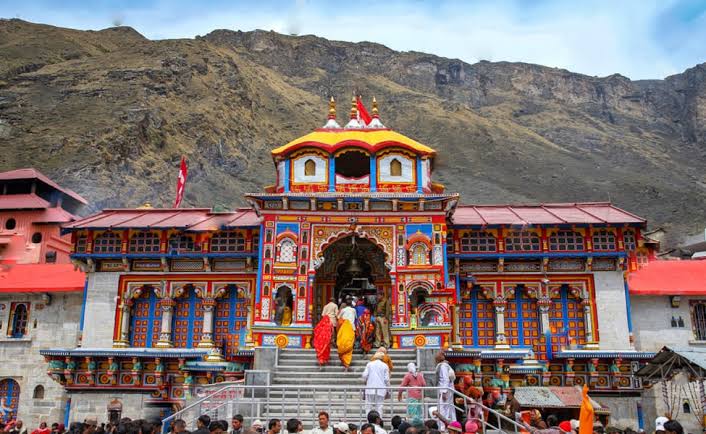
Badrinath, one of the holiest pilgrimage sites in India, stands as an emblem of devotion, serenity, and breathtaking natural beauty. Nestled in the Chamoli district of Uttarakhand at an elevation of 3,133 meters, Badrinath is part of the Char Dham Yatra and is dedicated to Lord Vishnu. Whether you seek spiritual enlightenment, mesmerizing landscapes, or simply an escape into the lap of the Himalayas, Badrinath promises an unforgettable journey.
The Divine Significance of Badrinath
The Badrinath Temple, also known as Badrinarayan Temple, is believed to have been established by Adi Shankaracharya in the 8th century. According to Hindu mythology, Lord Vishnu meditated here under the Badri tree for thousands of years, earning the name “Badrinath.” His consort, Goddess Lakshmi, is said to have protected him from harsh weather in the form of the sacred Badri tree.
The temple’s grand architecture, adorned with intricate carvings and a gold-gilded dome, stands as a testament to India’s rich cultural heritage. Pilgrims flock here to seek blessings and to take a dip in the sacred Tapt Kund, a hot spring believed to have medicinal properties.
The Journey to Badrinath
Reaching the Base: Joshimath
Most travelers begin their journey to Badrinath from Joshimath, a picturesque town that serves as a gateway to several Himalayan expeditions. Accessible via Haridwar, Rishikesh, and Dehradun, Joshimath is a transit point for pilgrims and adventurers alike. From here, Badrinath is a scenic 45 km drive through winding mountain roads.
Scenic Drive to Badrinath
The drive from Joshimath to Badrinath is nothing short of magical. The road, flanked by the Alaknanda River and towering mountains, offers views that make every twist and turn worthwhile. Important stopovers include:
Vishnuprayag: The confluence of the Alaknanda and Dhauliganga rivers.
Pandukeshwar: A revered site believed to have been the meditation ground of the Pandavas.
Hanuman Chatti: Associated with Lord Hanuman, this spot offers mesmerizing views of lush greenery and gushing waterfalls.
For those unable to travel by road, helicopter services are available from Dehradun to Badrinath, making the journey quicker and more accessible.
The Badrinath Temple: A Sacred Experience
Upon reaching Badrinath, one is welcomed by an ethereal atmosphere of devotion. The temple, set against the backdrop of the Neelkanth Peak, exudes a divine aura. Pilgrims offer prayers to Lord Badrinarayan and partake in rituals at Tapt Kund, where the naturally warm waters provide solace against the Himalayan cold.
The temple remains open from May to November, as heavy snowfall renders it inaccessible during winter. During the colder months, the idol is shifted to Narasimha Temple in Joshimath for worship.
Beyond the Temple: Exploring Badrinath’s Charms
Badrinath is not just about spirituality; it also offers breathtaking locations that captivate nature lovers and adventure seekers. Some must-visit spots include:
Mana Village: India’s last village before the Tibet border, known for its rustic charm and mythological importance.
Vyas Gufa: A legendary cave where Maharishi Vyas is believed to have composed the Mahabharata.
Bheem Pul: A natural rock bridge over the Saraswati River, said to have been placed by Bheema for Draupadi.
Charan Paduka: A rock with footprints believed to belong to Lord Vishnu.
Neelkanth Peak: A stunning snow-clad peak that provides a magnificent backdrop to the temple.
Brahma Kapal: A revered ghat on the banks of the Alaknanda River, where rituals for ancestors are performed.
Transportation and Connectivity
Nearest Railway Stations and Airports
Nearest Railway Station: Rishikesh Railway Station (approximately 295 km from Badrinath). Haridwar Railway Station (320 km) is another major railhead with broader connectivity.
Nearest Airport: Jolly Grant Airport, Dehradun (310 km from Badrinath). Taxis and buses are available for the onward journey.
Taxi Stands and Road Connectivity
Joshimath Taxi Stand: The nearest major taxi hub, offering transport to Badrinath.
Rishikesh and Haridwar Taxi Stands: Well-connected transport hubs for travelers heading to Badrinath.
Govindghat Taxi Stand: Useful for those visiting Hemkund Sahib along with Badrinath.
Regular bus services operate from Rishikesh and Haridwar to Joshimath. From Joshimath, local taxis take travelers to Badrinath, ensuring a comfortable ride through the mountains.
Tips for Pilgrims and Travelers
A journey to Badrinath requires thoughtful planning. Here are some tips for a smooth and enriching experience:
1. Acclimatization: Since Badrinath is at a high altitude, give yourself time to adjust to avoid altitude sickness.
2. Weather Conditions: The climate is unpredictable; carry warm clothing and rain gear.
3. Accommodation: Badrinath offers several lodges and dharamshalas, but booking in advance is advisable during peak season.
4. Hydration and Nutrition: Stay hydrated and carry dry snacks to maintain energy levels.
5. Respect Local Traditions: Follow temple guidelines and maintain the sanctity of the pilgrimage.
Conclusion: A Journey of Faith and Beauty
Badrinath is more than just a pilgrimage; it is a spiritual awakening set amidst nature’s splendor. Whether you seek divine blessings, adventure, or a moment of peace in the Himalayas, Badrinath offers it all.
For travelers, the journey is just as rewarding as the destination—filled with devotion, breathtaking views, and stories that transcend time. Visiting Badrinath is not just about seeking Lord Vishnu’s blessings; it is about embracing the magic of the Himalayas and the profound peace it offers.


