 By admin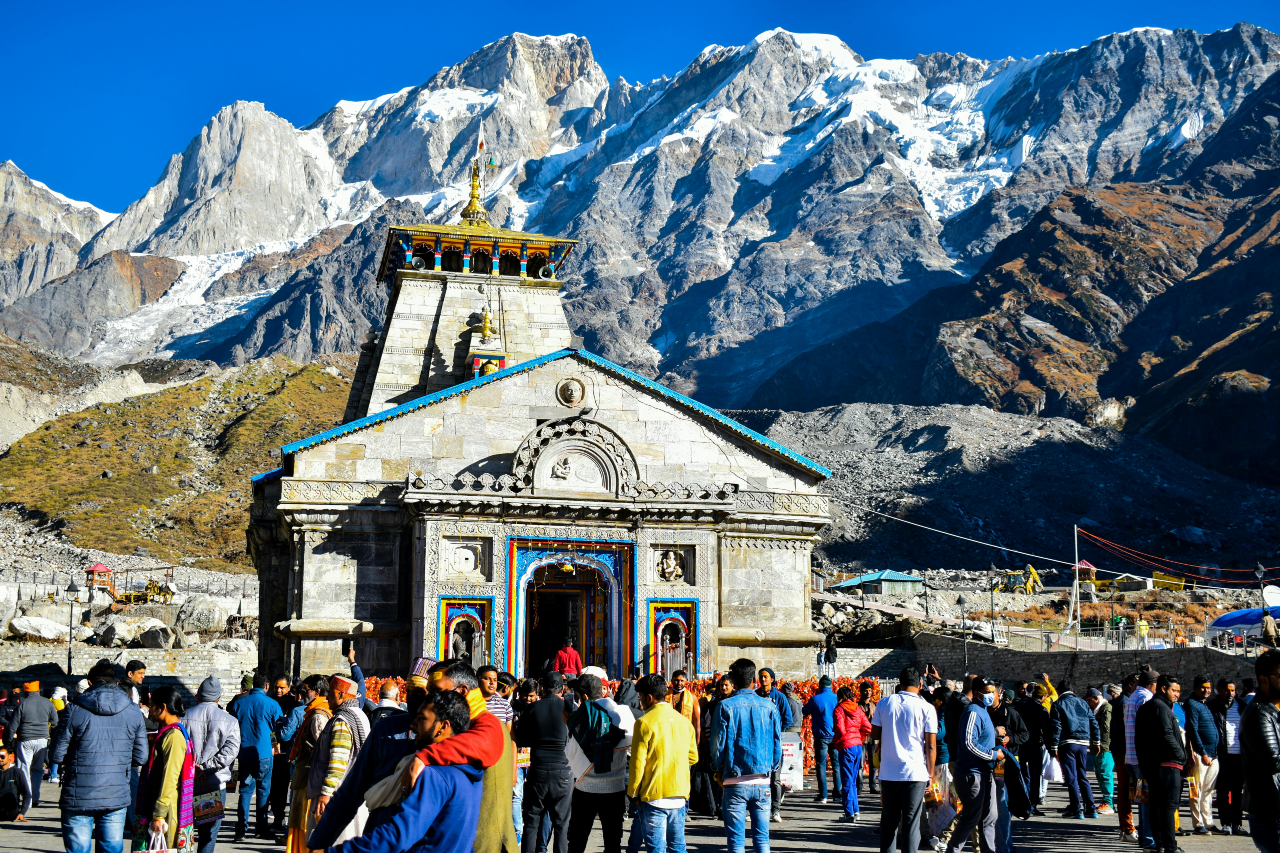
Kedarnath, one of the most revered pilgrimage sites in India, is not just a place of spiritual significance but also an incredible test of endurance. Nestled in the Garhwal Himalayas at an altitude of 3,583 meters, the Kedarnath Temple stands as a beacon of faith, attracting thousands of devotees every year. The journey to this sacred site is as rewarding as it is challenging, offering breathtaking landscapes, moments of introspection, and a deep sense of devotion.
The Spiritual Significance of Kedarnath
Kedarnath is one of the twelve Jyotirlingas of Lord Shiva, making it a vital part of Hindu religious tradition. According to mythology, after the great war of Mahabharata, the Pandavas sought Lord Shiva’s blessings to absolve their sins. However, Lord Shiva, reluctant to meet them, disguised himself as a bull. When the Pandavas recognized him, he dived into the ground, leaving behind his hump, which is now worshipped as the presiding deity in Kedarnath.
The temple, believed to be originally built by the Pandavas and later revived by Adi Shankaracharya in the 8th century, has withstood the test of time and natural calamities, symbolizing the eternal power and presence of Lord Shiva. The architecture, constructed using large stone slabs, is an engineering marvel, withstanding harsh Himalayan conditions for centuries.
The Journey to Kedarnath
Reaching the Base: Gaurikund
The pilgrimage to Kedarnath typically begins from Gaurikund, the last motorable point. Pilgrims reach Gaurikund via Rishikesh or Haridwar, both of which are well connected by rail and road. From Gaurikund, the real adventure begins—a 16-kilometer trek to the temple.
Gaurikund itself holds mythological significance, as it is believed to be the place where Goddess Parvati performed penance to win Lord Shiva’s heart. A hot water spring, known as Gaurikund, is also found here, offering pilgrims a chance to take a holy dip before beginning their trek.
The Trek Experience
The trek to Kedarnath is not merely a physical challenge; it is a journey of faith. The path, flanked by towering mountains and scenic landscapes, offers an awe-inspiring experience. The journey can be undertaken on foot, horseback, or by hiring a palanquin for those who find the climb difficult.
Along the way, pilgrims encounter numerous rest points, small eateries offering refreshments, and other travelers sharing the same determination to reach the temple. The most memorable aspect of the trek is the camaraderie among pilgrims, encouraging one another to push forward. Several important stopovers during the trek include:
- Jungle Chatti: A peaceful resting spot surrounded by greenery.
- Bheembali: Known for its breathtaking views and resting facilities.
- Rambara: Once a vibrant settlement, now reduced after the 2013 floods.
- Linchauli: The last major stop before Kedarnath, offering accommodation options.
For those unable to trek, helicopter services are available from Phata, Guptkashi, and other nearby locations, providing an alternative yet equally breathtaking route to the temple.
The Kedarnath Temple: A Divine Experience
Upon reaching the temple, one is greeted by an aura of divinity and tranquility. The temple, made of massive stone slabs, stands tall against the backdrop of snow-clad peaks, exuding a sense of timeless devotion. The sound of temple bells, combined with the chants of prayers, creates an atmosphere of spiritual elevation.
Pilgrims often wait in long queues to offer their prayers, but the experience of standing before the deity makes every hardship worthwhile. The temple remains open from April to November, as heavy snowfall during winter makes it inaccessible. During the winter months, the idol is shifted to Ukhimath (Rudraprayag district), where devotees can continue to offer their prayers.
Beyond the Temple: Exploring Kedarnath’s Beauty
While Kedarnath is primarily known for its temple, the surrounding areas offer mesmerizing natural beauty and historical significance. Some must-visit places include:
- Bhairavnath Temple: Located near the main temple, it is dedicated to Bhairava, who is believed to be the protector of Kedarnath during the winter months.
- Vasuki Tal: A high-altitude lake known for its crystal-clear waters and stunning views of the Chaukhamba peaks.
- Gandhi Sarovar: A small yet picturesque lake where Mahatma Gandhi’s ashes were immersed.
- Triyuginarayan Temple (Rudraprayag): Known as the site where Lord Shiva and Goddess Parvati were married, this temple holds great mythological importance.
- Sonprayag (Rudraprayag): A significant stop for pilgrims, located at the confluence of the Mandakini and Basuki rivers, offering a serene atmosphere and breathtaking views.
- Guptkashi (Rudraprayag): Famous for its Vishwanath Temple, dedicated to Lord Shiva, and Manikarnika Kund, where the Ganga and Yamuna rivers are believed to meet.
Transportation and Connectivity
Nearest Railway Stations and Airports
- Nearest Railway Station: Rishikesh Railway Station (approximately 216 km from Gaurikund). Haridwar Railway Station (242 km) is another major railhead with better connectivity.
- Nearest Airport: Jolly Grant Airport, Dehradun (238 km from Gaurikund). From there, taxis and buses are available to reach Kedarnath.
Taxi Stands and Road Connectivity
- Sonprayag Taxi Stand: The closest taxi stand to Kedarnath, from where travelers can reach Gaurikund.
- Rishikesh Taxi Stand: Offers cabs and shared vehicles to Sonprayag and Gaurikund.
- Haridwar Taxi Stand: A well-connected transport hub for travelers heading towards Kedarnath.
- Govindghat (Chamoli) and Guptkashi Taxi Stands: Useful for those traveling from other parts of Uttarakhand to Kedarnath.
Regular bus services are available from Rishikesh and Haridwar to Sonprayag. From there, one must take a local taxi to reach Gaurikund, the base point for the trek.
Tips for Pilgrims and Travelers
Visiting Kedarnath requires careful planning and preparation. Here are some essential tips for a safe and comfortable journey:
- Physical Preparation: Since the trek is demanding, it is advisable to engage in regular walking and stamina-building exercises before the trip.
- Weather Conditions: The climate is unpredictable, with temperatures dropping drastically. Warm clothing, rain gear, and sturdy trekking shoes are essential.
- Accommodation: Limited accommodations are available in Kedarnath, so it is advisable to book in advance, especially during peak pilgrimage season.
- Hydration and Nutrition: Carry sufficient water and light snacks to maintain energy levels during the trek.
- Respect Local Customs: As a sacred site, it is important to maintain decorum and follow temple guidelines.
Conclusion: A Journey Worth Taking
Kedarnath is more than just a pilgrimage; it is an experience that blends devotion, adventure, and nature’s splendor. Whether you visit for religious fulfillment or the thrill of trekking through the Himalayas, Kedarnath leaves an everlasting impression on the heart and soul.
For those planning their journey, it is essential to embrace both the challenges and the rewards, for Kedarnath is not just a destination—it is a journey of faith, endurance, and spiritual awakening.


